
CATEGORY
Published on April 13, 2026
Gas supply to power sector to double as LNG shortage raises tariff, loadshedding risks
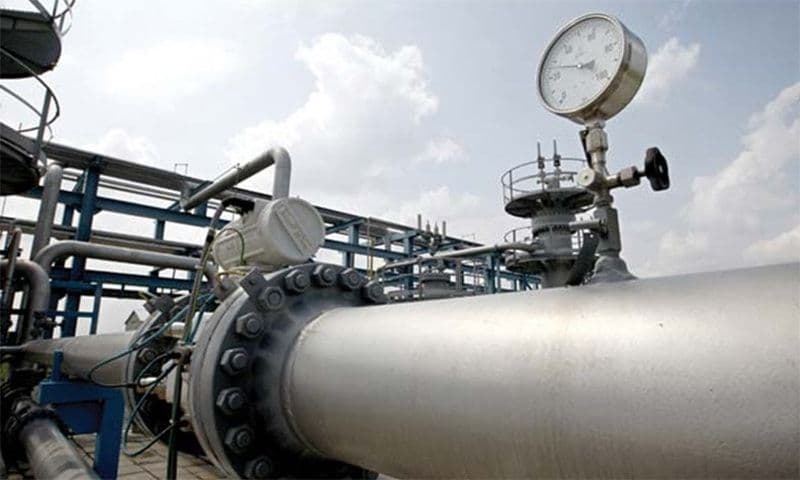
Domestic natural gas supply to the power sector is expected to increase to around 160–170 million cubic feet per day (mmcfd) by end-April or early May, up from 85–90mmcfd currently, as the government moves to offset shortages of imported LNG and rising summer demand, Dawn reported, citing officials.
They said efforts were underway to divert additional gas, including 20–25mmcfd from the CNG sector, while maintaining supplies to fertiliser plants due to concerns over urea availability and price disparities between local and imported products.
The move follows warnings from the power ministry that without increased gas supply, electricity tariffs could rise significantly or lead to higher levels of loadshedding. The ministry proposed diverting gas from residential users, CNG or fertiliser sectors, though concerns were raised over potential political backlash affecting more than seven million domestic consumers.
Authorities indicated that gas supply to fertiliser plants may not remain uninterrupted, with operations likely to shift to alternate scheduling to balance demand across seasons.
The power division noted that the fuel cost adjustment (FCA) stood at Rs1.42 per unit for February and could have reached Rs2 without reliance on furnace oil and RLNG. It warned that FCA for May could more than double if furnace oil use increases, as its prices have more than doubled since February.
The issue has been taken up by the National Coordination and Management Council to manage electricity supply and ensure availability for key economic sectors.
In the absence of RLNG, around 5,000MW of efficient power plants in Punjab may become uneconomical, with generation costs rising significantly when switching to high-speed diesel or furnace oil, where the cost gap ranges from Rs20–54 per unit.
Additional gas supply has become available following the completion of a pipeline linking the Bettani gas field in Lakki Marwat to Punjab, along with other system improvements.
Loadshedding has already been implemented for at least two hours in recent days and is expected to increase, particularly during night hours when solar generation declines and grid demand rises.
Authorities have also introduced conservation measures, including early market closures, to manage demand.
Hydropower output remains uncertain despite improved water availability, with delays in Tarbela tunnels and the continued outage of the 969MW Neelum-Jhelum plant affecting supply.
Ad powered by advergic.com
Furnace oil remains a fallback fuel, with current stocks exceeding 500,000 tonnes, sufficient for over 35 days, though at significantly higher costs.
Peak summer demand is projected to rise to 27,000–28,000MW, compared to current peak levels below 14,000MW, partly due to increased reliance on solar power.
Officials expect average daily loadshedding to remain between two to three hours alongside ongoing demand management measures.