
CATEGORY
Published on March 6, 2026
Petroleum minister warns of gas crisis after QatarEnergy force majeure notice
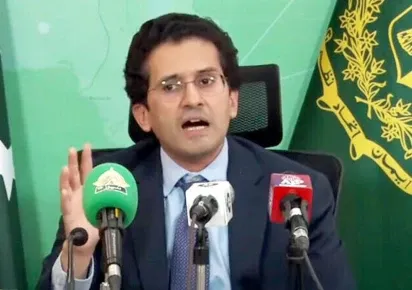
refineries had been advised to maximise furnace oil production.
On energy conservation, the minister suggested that during Ramazan, supplying gas only for Sehri and Iftar and reducing pressure at other times could save 30–40 mmcfd.
He noted that two RLNG parcels had arrived, ensuring no issues until March. After that, greater curtailment might be necessary, including closing containers or bringing alternative cargo from outside the Strait of Hormuz.
The minister also warned of rising electricity and gas prices and potential load shedding in the coming days.
“Apart from the Strait of Hormuz, bringing cargo will be a challenge. Current parcels are 10–12 mmbtu, but Bangladesh and India are buying from outside the strait at $23–24 per mmbtu, which would make electricity 70–80 rupees per unit. It may be better to reduce demand through conservation and limited load shedding,” he said, adding that gas reserves must be used carefully.
Regarding diesel and petrol reserves, Malik said the oil situation was somewhat reassuring because, unlike gas, stockpiles could be built. He said Prime Minister Shehbaz Sharif had personally ensured that reserves were built for 28–30 days. “Today we have comfortable stocks,” he said.
Malik also announced strict action against profiteers and hoarders, warning that petrol pumps and their owners causing public inconvenience through hoarding would face action. “We met with chief secretaries and instructed them to seal pumps or confiscate products if anyone tries to hoard or profiteer,” he said.
Given the uncertain situation, the minister stressed demand curtailment, saying that decisions would be made after the prime minister reviewed all programmes. He added that the government might consider measures similar to those adopted during the COVID-19 pandemic, such as encouraging work-from-home arrangements and discouraging physical meetings or intercity travel.
"These are not new measures; the system was put in place three to four years ago during the COVID period. A decision on these matters will be announced very soon," Malik said.
On rationing, Malik suggested immediate increases in petrol and diesel prices to give private sector importers confidence that costs would be recovered. “Given the market situation, my advice is to implement this immediately so people can conserve and act responsibly,” he said.
He added that once prices decreased and the situation normalised, prices should be lowered at the same pace they increased to restore people’s income and purchasing power.