
News & Events / Latest News
Mari Energies Limited (MariEnergies), one of Pakistan’s largest E&P companies, said on Tuesday that it had signed multiple agreements with Fauji Fertilizer Company Limited, Engro Fertilizers Limited, and Fatima Fertilizer Company Limited. The company shared the information in a notice to the Pakistan Stock Exchange (PSX) today. MARI said that it had executed multiple project agreements for the Pressure Enhancement Facilities (PEF) at Daharki, Sindh. The PEF Project is a strategic initiative undertaken by MariEnergies in collaboration with the fertiliser plants owners and involves debottlenecking of the pipeline, procurement and installation of compression facilities at various junctions of the gas gathering pipeline network and related operations and maintenance. READ MORE: Mari Energies discovers gas in Sindh “PEF Project is aimed to maintain the minimum delivery pressure of Habib Rahi Limestone (HRL) reservoir gas, with a potential to extend the production plateau, ensuring consistent indigenous gas supplies to fertiliser plants, directly supporting the domestic urea production and contributing to national food security,” the bourse was informed. The company is an integrated oil and gas exploration and production company, and around 70% exploration success rate, which is much higher than industry averages of around 33% nationally and 14% internationally. MARI’s key customers include fertiliser manufacturers, power generation companies, gas distribution companies, and refineries.
Mar 24, 2026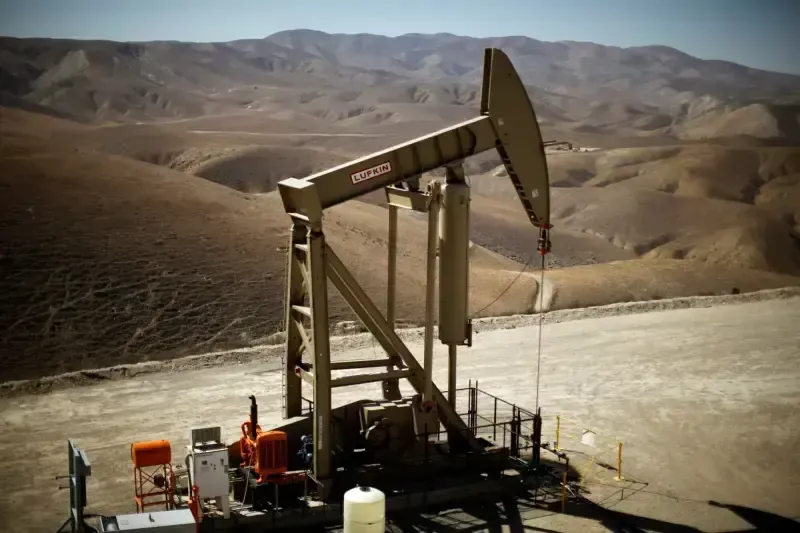
Mari Energies Limited (MariEnergies), one of Pakistan’s largest E&P companies, announced on Thursday the discovery of hydrocarbon from its exploratory well located in Sindh. The company shared the information in a notice to the Pakistan Stock Exchange (PSX) today. “MariEnergies is pleased to announce a gas & condensate discovery resulting from Shams-1 exploratory well, drilled in Mari D&PL, located in Ghotki district, Sindh. “Shams-1 well was spud-in on January 30, 2026, and successfully drilled down to the total depth of 3,075m,” the notice read, adding that the well targeted Lower Goru-B sands as exploratory targets. “During the testing, the well flowed at a rate of 47.98 MMSCFD gas with 64 barrels per day of condensate at a choke size of 64/64“,” read the notice. The stabilised Well Head Flowing Pressure (WHFP) of 2,404 psig was observed during the testing, the bourse was informed. The company is an integrated oil and gas exploration and production company, and around 70% exploration success rate, which is much higher than industry averages of around 33% nationally and 14% internationally. MARI’s key customers include fertiliser manufacturers, power generation companies, gas distribution companies, and refineries.
Mar 24, 2026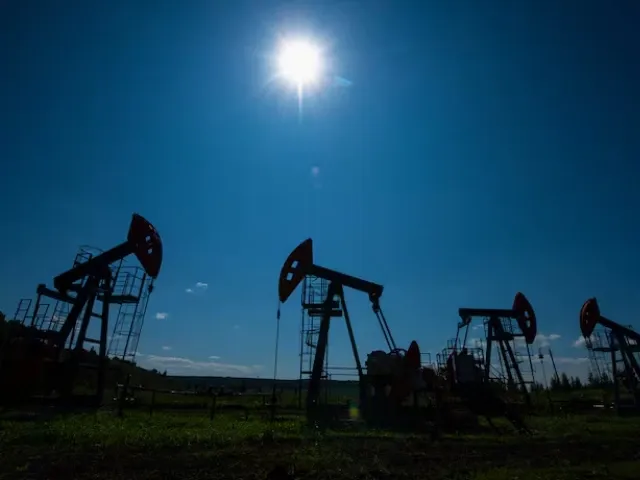
ISLAMABAD: Pakistan currently has crude oil reserves sufficient for 11 days, diesel for 21 days, petrol for 27 days, LPG for nine days and jet fuel (JP-1) for 14 days, the secretary petroleum informed the Senate Standing Committee on Petroleum on Monday amid growing concerns over supply disruptions caused by conflict in the Middle East. Briefing the committee, the official said Pakistan was in talks with Iran to secure permission for oil shipments to pass through the Strait of Hormuz. If permission is granted, four Pakistani vessels could transport oil cargoes through the route. He also warned that Pakistan could face a severe gas shortage after April 14 due to disrupted LNG cargo supplies. Meanwhile, the government has decided to provide a Rs23 billion subsidy for motorcycle and rickshaw owners using savings generated under its austerity policy. The Senate Standing Committee on Petroleum met under the chairmanship of Senator Manzoor Ahmed and was briefed on the regional situation and its impact on Pakistan's energy supplies. The secretary petroleum said nearly 70 per cent of Pakistan's petroleum products were imported from the Middle East. However, the ongoing conflict has affected shipping routes and supply chains. He told the committee that the price of high-speed diesel had risen from $88 to $187, while petrol prices had increased from $74 to $130. Normally, oil shipments from Arab countries reach Pakistan within four to five days, but cargoes routed through the Red Sea are now taking about 12 days. The official said the country currently had crude oil reserves for 11 days, diesel for 21 days, petrol for 27 days, LPG for nine days and JP-1 fuel for 14 days. The government was attempting to optimise the use of existing reserves, while temporary permission had also been granted to import oil below the Euro-5 quality standard. According to the secretary petroleum, crude oil prices stood at $72 per barrel before the war but rose to $88 on the second day of the conflict and have now climbed to $115 per barrel. Negotiations with Iran are continuing to allow oil shipments through the Strait of Hormuz, which could enable four Pakistani vessels to transport crude cargoes. The committee was also informed that gas supplies from Qatar had been completely suspended. Of the eight LNG cargoes expected in March, only two reached Pakistan, while six failed to arrive due to the war. Similarly, of the six cargoes expected in April, three may also fail to arrive. Under the current circumstances, officials warned that Pakistan could face a severe gas shortage after April 14. Gas authorities also briefed the committee on an emergency supply plan, saying overall gas supply was expected to fall from 683 mmcfd to 672 mmcfd. To manage shortages, the government is considering increasing gas supply for domestic consumers while reducing supply to the commercial sector, process industries and captive power plants. Officials added that Pakistan had an agreement with a company in Azerbaijan to import LNG if demand rises, although LNG from that source would be nearly three times more expensive. The secretary petroleum further told the committee that the government had decided to provide a Rs23 billion subsidy from savings generated under its austerity policy. The subsidy will be extended to around 30 million motorcycle and rickshaw owners and will be distributed to eligible beneficiaries using data from the Benazir Income Support Programme. Officials from the Oil and Gas Regulatory Authority (Ogra) and the petroleum division have begun working on the subsidy mechanism. They said savings from austerity measures would be used to finance the subsidy, similar to relief programmes introduced during the Covid-19 pandemic. Committee members questioned where the Rs23 billion subsidy would come from and asked what measures had generated the savings, urging that any financial benefit should go to the public rather than companies. Officials responded that various cost-saving measures had been implemented under the prime minister's directives. Govt monitoring petroleum stocks Separately, the government has decided to conduct a daily review of petroleum reserves to closely monitor the energy situation. A committee tasked with monitoring petrol prices was informed that Pakistan remained "adequately positioned in terms of fuel availability", with March requirements fully secured and supply coverage available up to mid-April under current cargo planning. According to a statement issued by the Ministry of Finance, the committee reviewed the national inventory of crude oil and refined petroleum products, import arrangements and supply chain logistics. Officials told the meeting that the country had "comfortable inventories of crude oil and key petroleum products for March, with sufficient planning in place to ensure continued availability during April". Efforts are also under way to extend coverage towards the end of April. The meeting, chaired by Finance Minister Muhammad Aurangzeb at the Finance Division, was part of the government's daily review of the energy sector amid tensions in the Middle East. During the session, procurement patterns and maritime logistics were also examined, with the committee stressing the need to diversify sources of petroleum imports to strengthen Pakistan's energy supply chain. Officials said procurement strategies were already shifting towards greater diversification to reduce reliance on any single supply corridor. Finance Minister Aurangzeb assured that the government remained "fully focused on ensuring uninterrupted availability of petroleum products across the country", adding that the "current stock position and supply outlook remain stable". He stressed that "there is no basis for panic buying or unnecessary stockpiling of fuel". Authorities, in coordination with Ogra and provincial governments, were directed to closely monitor market activity and stock levels to prevent hoarding. "It was emphasised that any attempts to create artificial shortages or disrupt normal supply would be dealt with strictly in accordance with the law," the statement said. Participants in the meeting included Petroleum Minister Ali Pervaiz Malik, Maritime Affairs Minister Muhammad Junaid Anwar Chaudhry, State Bank of Pakistan Governor Jameel Ahmad and other senior officials.
Mar 17, 2026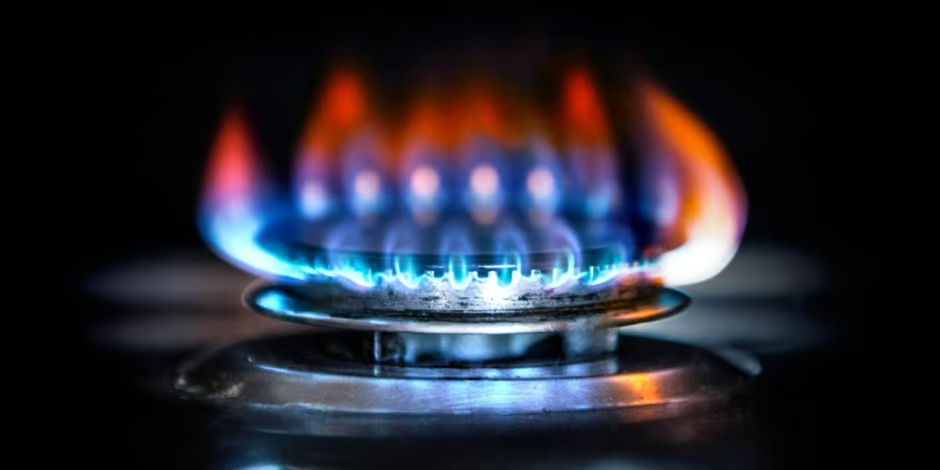
Pakistan may face a major gas shortage after April 14 as liquefied natural gas (LNG) supplies from Qatar have been disrupted due to the ongoing conflict in the Middle East, officials informed the Senate’s Petroleum Committee during a briefing. During the meeting, the Director General of LNG told lawmakers that gas shipments from Qatar have been completely suspended due to the regional conflict, forcing authorities in Pakistan to increase reliance on domestic gas production. Officials revealed that only two out of eight LNG cargoes scheduled for March have reached the country, while the remaining six shipments could not arrive because of the ongoing crisis in the Gulf region. The situation is expected to continue in April, where three out of six planned LNG cargoes may also fail to reach Pakistan. To manage the potential shortage, authorities have prepared an emergency gas supply plan for March 2026. Under the proposed strategy, system gas supply will be reduced from 655 million cubic feet per day (MMCFD) to 642 MMCFD, while RLNG supply will slightly increase from 28 to 30 MMCFD. As a result, overall gas availability is expected to fall from 683 to 672 MMCFD. The government is also revising gas allocations across different sectors. Domestic consumers are expected to receive higher allocations, increasing from 399 to 420 MMCFD. However, gas supply for the commercial sector may decline from 10 to 8 MMCFD, while allocations for process industries could drop from 140 to 120 MMCFD. Meanwhile, the power sector is expected to receive a slight increase in supply from 18 to 20 MMCFD, while fertilizer plants may see allocations rise marginally from 29 to 30 MMCFD. Gas supply to captive power plants will likely be reduced from 82 to 70 MMCFD as part of the conservation measures. Officials also informed the committee that alternative LNG supplies could potentially be arranged through an Azerbaijani company, but the cost of such imports may be nearly three times higher than current LNG purchases. Authorities emphasized that controlling domestic gas consumption and securing alternative supply agreements will be crucial for Pakistan to avoid a severe energy crisis in the coming months.
Mar 17, 2026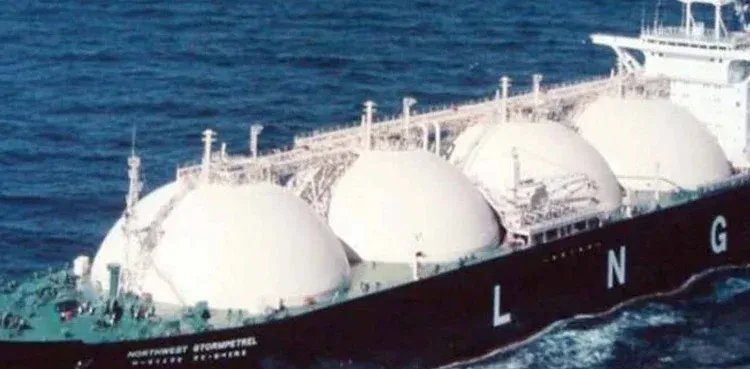
ISLAMABAD: Pakistan’s liquefied natural gas (LNG) supply may run out after April 14 as Qatar has halted natural gas production amid the ongoing Israel-Iran conflict, officials told the Senate Standing Committee on Petroleum on Monday. The committee, which met under the chairmanship of Senator Manzoor Ahmed, was informed by the Director General LNG that gas supply from Qatar has been completely suspended, raising concerns over Pakistan’s LNG availability in the coming weeks. The war in the Middle East threatens shipments from Qatar, the world’s No. 2 producer after the U.S., which supplies most of Pakistan’s imported LNG, used to fuel power plants during peak electricity demand. Officials said Pakistan had planned to receive eight LNG cargoes in March, but only two arrived before the conflict began, while the remaining six shipments could not reach the country. For April, three out of six scheduled LNG cargoes are also expected to be delayed. The committee was told that if the current situation persists, Pakistan may face a shortage of LNG after April 14. To manage the crisis, authorities have increased domestic gas production, while emergency supply planning has also been initiated. Under the proposed plan, system gas supply may be reduced from 655 million cubic feet per day (MMCFD) to 642 MMCFD, while RLNG supply could be increased from 28 to 30 MMCFD. Overall, gas supply is expected to decline from 683 MMCFD to around 672 MMCFD. The LNG officials said gas consumption for domestic users is expected to increase from 399 to 420 MMCFD, while supply to the commercial sector may be reduced from 10 to 8 MMCFD. Gas allocation for process industries may be cut from 140 to 120 MMCFD, and for captive power plants from 82 to 70 MMCFD. Meanwhile, gas supply to the power sector may increase from 18 to 20 MMCFD, while fertilizer plants could receive slightly higher supply, increasing from 29 to 30 MMCFD. Officials also told the committee that Pakistan has an agreement with a company in Azerbaijan for LNG supply if demand increases, but that would be nearly three times more expensive. The disruption follows the decision by QatarEnergy, the world’s second-largest LNG exporter, to halt production at its 77 million tons per annum facility and declare force majeure on LNG shipments due to the regional conflict. Qatari Energy Minister Saad al-Kaabi told the Financial Times last week that it would take “weeks to months” for deliveries to return to normal even if the conflict ended immediately. Qatar is a pivotal supplier rather than a marginal one.
Mar 17, 2026
refineries had been advised to maximise furnace oil production. On energy conservation, the minister suggested that during Ramazan, supplying gas only for Sehri and Iftar and reducing pressure at other times could save 30–40 mmcfd. He noted that two RLNG parcels had arrived, ensuring no issues until March. After that, greater curtailment might be necessary, including closing containers or bringing alternative cargo from outside the Strait of Hormuz. The minister also warned of rising electricity and gas prices and potential load shedding in the coming days. “Apart from the Strait of Hormuz, bringing cargo will be a challenge. Current parcels are 10–12 mmbtu, but Bangladesh and India are buying from outside the strait at $23–24 per mmbtu, which would make electricity 70–80 rupees per unit. It may be better to reduce demand through conservation and limited load shedding,” he said, adding that gas reserves must be used carefully. Regarding diesel and petrol reserves, Malik said the oil situation was somewhat reassuring because, unlike gas, stockpiles could be built. He said Prime Minister Shehbaz Sharif had personally ensured that reserves were built for 28–30 days. “Today we have comfortable stocks,” he said. Malik also announced strict action against profiteers and hoarders, warning that petrol pumps and their owners causing public inconvenience through hoarding would face action. “We met with chief secretaries and instructed them to seal pumps or confiscate products if anyone tries to hoard or profiteer,” he said. Given the uncertain situation, the minister stressed demand curtailment, saying that decisions would be made after the prime minister reviewed all programmes. He added that the government might consider measures similar to those adopted during the COVID-19 pandemic, such as encouraging work-from-home arrangements and discouraging physical meetings or intercity travel. "These are not new measures; the system was put in place three to four years ago during the COVID period. A decision on these matters will be announced very soon," Malik said. On rationing, Malik suggested immediate increases in petrol and diesel prices to give private sector importers confidence that costs would be recovered. “Given the market situation, my advice is to implement this immediately so people can conserve and act responsibly,” he said. He added that once prices decreased and the situation normalised, prices should be lowered at the same pace they increased to restore people’s income and purchasing power.
Mar 6, 2026
ISLAMABAD: Amid speculation about potential fuel shortages in the market due to tensions in the Middle East, the Federal Government on Thursday appointed a Grade 22 officer from the Pakistan Administrative Service as the new Secretary of the Petroleum Division. The appointment takes effect immediately. Hamed Yaqoob Sheikh, presently posted, as the Secretary of the National Health Services Regulations and Coordination Division, is transferred and posted as Secretary Petroleum Division. In another move, the Oil and Gas Regulatory Authority (Ogra) has assured the public that the country currently holds sufficient stocks of petroleum products to meet national demand and there is no need for panic buying or hoarding. In view of the prevailing geopolitical situation, authorities are closely monitoring the petroleum supply chain to ensure the uninterrupted availability of products across the country. The existing stock position remains comfortable and well within the prescribed requirements. READ MORE: Senate panel told: POL products’ prices may go up It has been emphasized that strict action will be taken against any individual or entity found involved in illegal hoarding or storage of petroleum products at unauthorized locations, particularly at places other than duly licensed oil depots and retail outlets of Oil Marketing Companies (OMCs). Reports have indicated that certain elements may attempt to hoard petroleum products for profiteering during such circumstances. To curb such practices, all Provincial Chief Secretaries have been requested to direct the Deputy Commissioners (DCs) to carry out inspections within their respective jurisdictions. Any premises found to be involved in the illegal storage of petroleum products will be sealed, and action will be taken in accordance with the law. Meanwhile, teams of Ogra are actively monitoring the situation in the field. Inspections are being conducted at oil depots and retail outlets to ensure a smooth supply of petroleum products and to prevent any malpractice. Meanwhile, the Oil Marketing Association of Pakistan (OMAP) has also written a letter to the Ogra chairman, conveying the body’s concern regarding the product supply commitments made by local refineries during the last product review meeting. Copyright Business Recorder, 2026
Mar 6, 2026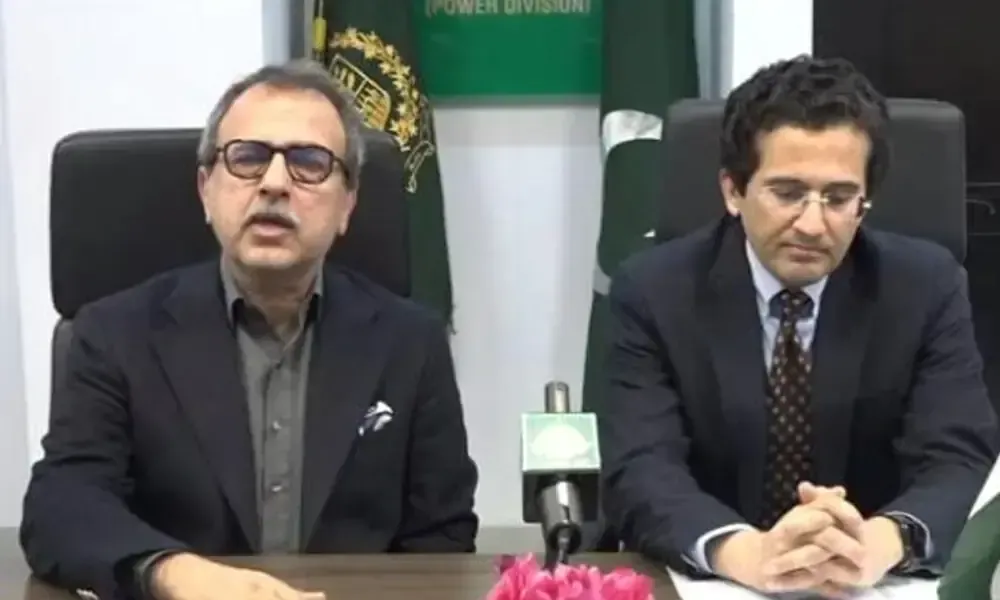
ISLAMABAD: Minister for Petroleum and Natural Resources, Ali Pervaiz Malik has approached Power Minister Sardar Awais Ahmad Khan Leghari for provision of data of captive consumers across the country who shifted to grid from gas, well-informed sources in Petroleum Division told Business Recorder. According to the Petroleum Minister, to prepare case/recommendations for International Monetary Fund on captive levy, Petroleum Division’s team had requested for power uptake data for captive users nudged to the grid via levy. The data from February, 2025 is still awaited. Petroleum Minister has requested Power Minister for all customer–wise data sharing to finalize the paperwork. READ MORE: Govt slaps Rs1,243/mmbtu new levy on off-grid captive power plants Earlier, a letter to Petroleum Division referred to the reconciliation exercise previously undertaken by Sui Companies with Power Distribution Companies and K-Electric regarding the use of gas/RLNG vis-a-vis the sanctioned power load of each captive power plant wherein it was revealed that the majority of CPPs had grid connectivity and the requisite sanctioned load. In order to validate the transition of gas/RLNG-based CPPS, Power Division had been requested to provide detailed data regarding the utilization of sanctioned and/or newly approved load of each CPP with the respective Distribution Companies and K-Electric, along with the corresponding incremental sales revenue to this division at the earliest. Copyright Business Recorder, 2026
Mar 6, 2026