
News & Events / Latest News
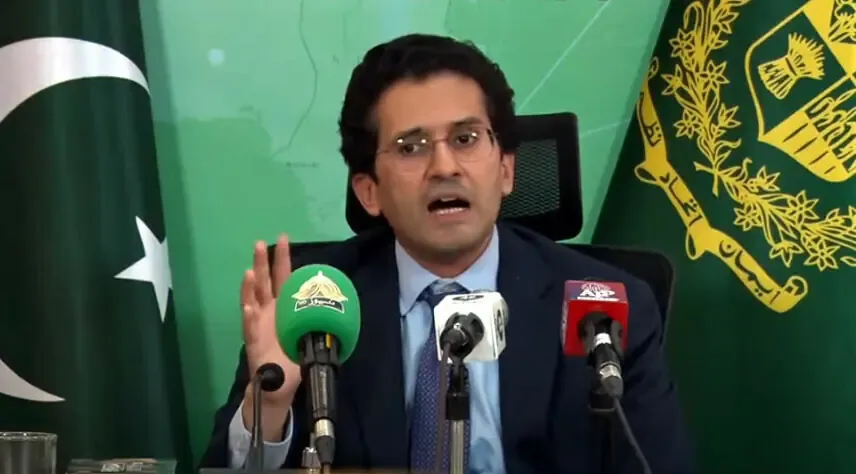
KARACHI: Federal Minister for Petroleum Ali Pervez Malik said on Tuesday that the government is fully aware of the current Middle East situation and its implications. “We’re taking measures to address the situation,” he said while speaking on Aaj News programme ‘News Insight with Aamir Zia’. Ali Pervez Malik emphasised that the duration of the conflict is uncertain, and Pakistan will need assistance from its allies to cope with additional economic pressures. He highlighted government efforts to navigate the challenges posed by regional tensions. The federal minister’s comments come as tensions escalate in the Middle East following US and Israel’s attacks on Iran, with concerns about potential disruptions to oil supplies and regional stability. Malik noted many countries are now part of the Middle East conflict, and it’s unclear how long the situation will last. Therefore, as a responsible government, we must prepare for all scenarios within our financial means, whether it’s external accounts, energy stockpiles, or savings. We should operationalise every element. The federal minister also appealed to Pakistanis to conserve fuel, including petrol, and remain vigilant. “The energy market situation is also concerning,” he maintained. While mentioning that the government has made arrangements and there’s sufficient petrol and diesel stock in the country, the minister warned that rising energy prices could increase inflation in Pakistan. “Pakistan imports LNG from Qatar Energy, and now that the Strait of Hormuz is blocked, Qatar has suspended production. Our LPG imports from Iran may also be affected,” he said. “We need to be cautious,” Malik urged, emphasizing preparedness for potential challenges ahead.
Mar 5, 2026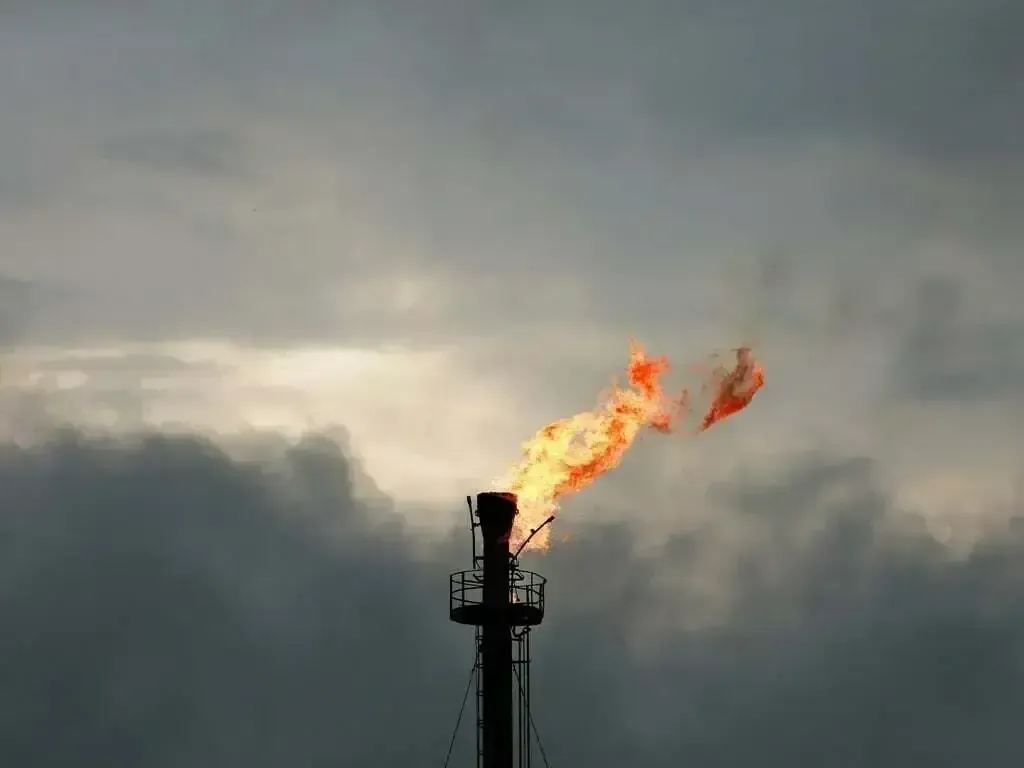
Pakistan’s largest gas distributor was set to cut supplies to some of its industrial customers, suggesting growing strain in one of the economies most dependent on energy exports from Qatar, Bloomberg reported on Wednesday. According to the report, the conflict in the Middle East has caused the most extensive disruption to the global energy trade since Russia’s invasion of Ukraine in 2022, blocking the Strait of Hormuz and shuttering giant energy facilities including Qatar’s Ras Laffan liquefied natural gas export plant. This happened after Israel and the US carried out attacks on Iran, followed by Tehran launching retaliatory strikes on regional bases. The situation led to disruption at the Strait of Hormuz. Also read: What is the Strait of Hormuz and why is it so important for oil? The strait lies between Oman and Iran and links the Gulf north of it with the Gulf of Oman to the south and the Arabian Sea beyond. It is 21 miles (33 km) wide at its narrowest point, with the shipping lane just 2 miles (3 km) wide in either direction. During the last energy crunch four years ago, Pakistan suffered acutely from an economic crisis and was unable to afford sky-high prices and the country was forced to grapple with hours of daily blackouts, according to the report. In the short-term, the current crisis comes with an unexpected silver lining for an economy under pressure — it could help the country avoid expensive purchase agreements with Qatar which it no longer needs. Samiullah Tariq, head of research at Pakistan Kuwait Investment, said shifting to cheaper alternatives like imported coal “could be a blessing in disguise”, the report said. Sui Northern Gas Pipelines Limited, in a notice to the customers, said it could not provide regasified LNG to fertiliser plants from midnight Wednesday, having been notified of disruptions from its own supplier, Pakistan State Oil, just five days into confrontations in the Persian Gulf. “That suggests even lengthier disruptions would almost certainly prove both painful and costly.” The situation “could be serious” if five or more shipments of LNG were affected, Masanori Odaka, analyst at Rystad Energy, was quoted as saying in the report. “Current spot prices are well beyond what Pakistan is likely willing to pay,” he said. “So I will say the alternatives to sourcing LNG cargoes are limited.” A history of deferment and payment difficulties would also put Pakistan at a disadvantage.” For the month of March, according to Bloomberg, the country has received two cargoes, making it likely any gap can be filled with domestic production and coal imports. In April and May, however, the shortfall could extend from around half or one LNG shipment to two or three, according to Evan Tan, LNG analyst from commodities research group ICIS — too much to fill with domestic fixes. Meanhwile, Pakistan has asked Saudi Arabia to route oil supplies through the Red Sea port of Yanbu after the closure of the Strait of Hormuz disrupted shipping, the petroleum ministry said in a press release on Wednesday. Petroleum Minister Ali Pervaiz Malik raised the issue in a meeting with Saudi Arabia’s ambassador to Pakistan, Nawaf bin Said Al-Malki, according to a ministry statement. The minister said most of Pakistan’s energy imports transit through the Strait of Hormuz and the government was monitoring the situation closely to ensure the continuity of supplies.
Mar 5, 2026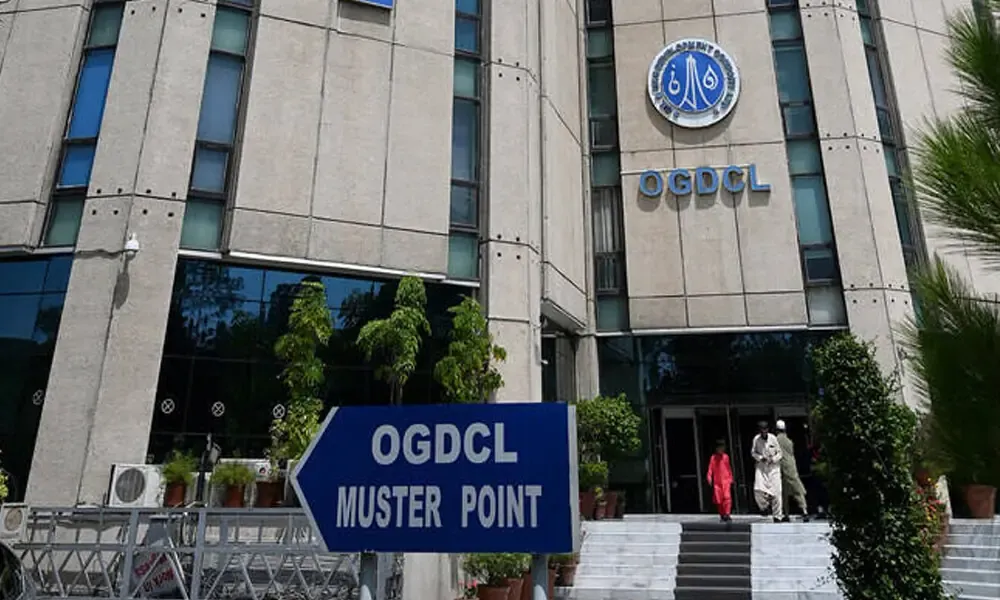
KARACHI: Pakistan’s state natural gas producer OGDCL is preparing to raise output for the first time in recent years as the ongoing conflict in the Middle East choked supply, its managing director said. High electricity tariffs and rapid rooftop solar adoption have reduced demand for natural gas in recent years, forcing Pakistan to renegotiate long-term liquefied natural gas (LNG) import contracts with Qatar and domestic producers to cut output. On Monday, Qatar halted LNG production after Iran targeted the country following the U.S.-Israeli strikes over the weekend. Here are the new developments: OGDCL aims to raise natural gas output by 5% to 865 million cubic feet per day. OGDCL strikes major oil & gas discovery in Kohat The company also plans to boost crude oil production by 14% to 40,000 barrels per day, as the conflict has disrupted shipping through the crucial Strait of Hormuz. OGDCL’s Managing Director, Ahmed Lak, emphasised potential further increases with new discoveries. “This potential can be fully monetised subject to offtake by the buyers,” Lak said. Pakistan is exploring the option of reducing LNG terminal regasification due to undelivered Qatari cargoes, industry sources said. The move could relieve pressure on Pakistan’s foreign exchange reserves, sources added.
Mar 5, 2026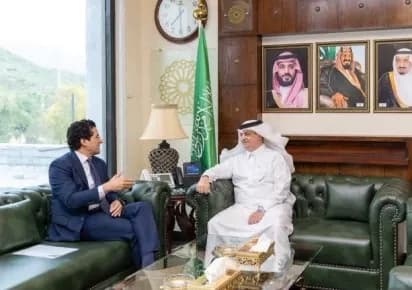
ISLAMABAD: Petroleum Minister Ali Pervaiz Malik confirmed that Saudi Arabia has pledged to support Pakistan’s energy needs by supplying oil through the Port of Yanbu on the Red Sea. The assurance comes at a time when global energy markets are grappling with the impact of the ongoing closure of the Strait of Hormuz. In a meeting on Wednesday with Nawaf bin Said Al-Malki, Saudi Arabia’s Ambassador to Pakistan, the two leaders discussed a range of bilateral issues, focusing on strengthening cooperation between the two nations. Malik briefed the ambassador on the current state of global energy markets and the challenges posed by the closure of the Strait of Hormuz, a vital shipping lane that carries a significant portion of Pakistan’s oil imports. He highlighted that Pakistan is closely monitoring the evolving situation, as the closure threatens the stability of its energy supplies. Read More: Country has 28 days of fuel "The support of brotherly nations like Saudi Arabia is crucial to Pakistan, especially during such challenging times," Malik remarked. He reassured that the Pakistani government is taking active measures to ensure a continuous energy supply for the country’s citizens. During the meeting, the Saudi Ambassador reaffirmed the kingdom's commitment to Pakistan, offering assurances that oil supplies through the Port of Yanbu would be secure. Malik informed that one vessel has been assured dispatch from Pakistan to the Port of Yanbu to lift crude oil for Pakistan. He expressed hope that future shipments would be prioritised for Pakistan. Ambassador Al-Malki, acknowledging the growing situation, said, “Saudi Arabia is fully aware of the circumstances and stands firmly with Pakistan to meet any urgent energy needs." He stressed that the strong ties between the two countries would continue to be a source of support, particularly during these difficult times.
Mar 5, 2026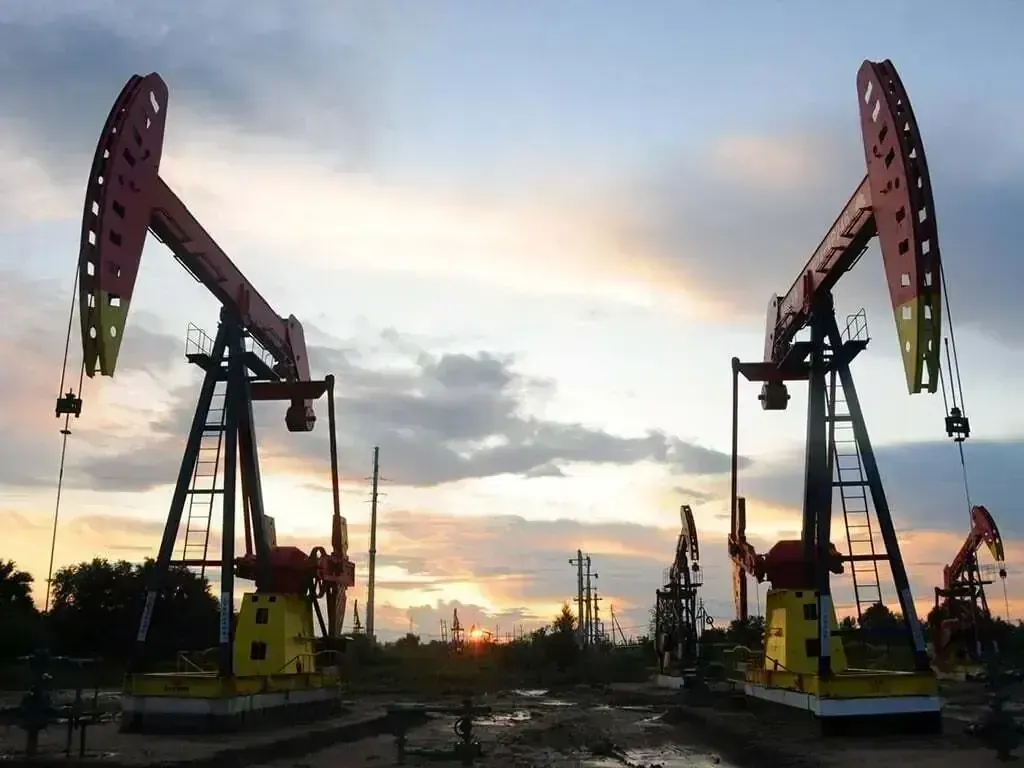
Oil and Gas Development Company Limited (OGDCL), one of Pakistan’s largest exploration and production (E&P) companies, has made significant oil and gas discoveries at its Baragzai X-01 (Slant) exploratory well in Kohat, Khyber Pakhtunkhwa. The listed E&P disclosed the development in its notice to the Pakistan Stock Exchange (PSX) on Wednesday. “We are pleased to inform that OGDCL, operator of Nashpa Exploration License (65% working interest), together with its joint venture partners - Pakistan Petroleum Limited (PPL) (30%) and Government Holdings (Private) Limited (GHPL) (5% carried interest) - has made an oil and gas discovery over lockhart limestone at its exploratory well Baragzai X-01 (Slant), located in District Kohat, Khyber Pakhtunkhwa,” read the notice. OGDCL shared that during cased-hole Drill Stem Test (DST-05) in Lockhart Limestone, the well flowed at a rate of 3,765 barrels of oil per day (bpd) and 11.2 million standard cubic feet per day (mmscfd) of gas, through a 32/64“ choke at a wellhead flowing pressure of 4,080 psig. “Baragzai X-01 (Slant) well was spud-in on December 30, 2024 as an exploratory well in the Nashpa Exploration License to test the hydrocarbon potential of Lockhart, Hangu, Lumshiwal, Samana Suk, Shinawari, Datta and Kingriali formations. “The well was successfully drilled down to a total depth of 5,170 meters into the Kingriali Formation. Based on the wireline logs evaluation, four cased hole drill stem tests were earlier conducted in Kingriali, Datta, Samana Suk + Shinawari and Hangu + Lumshiwal formations, which also resulted in oil and gas discoveries.” OGDCL shared that the latest oil and gas discovery will contribute toward mitigating the energy supply-demand gap through indigenous resources and will add to the hydrocarbon reserves base of OGDCL, its joint venture partners, and the country.
Mar 5, 2026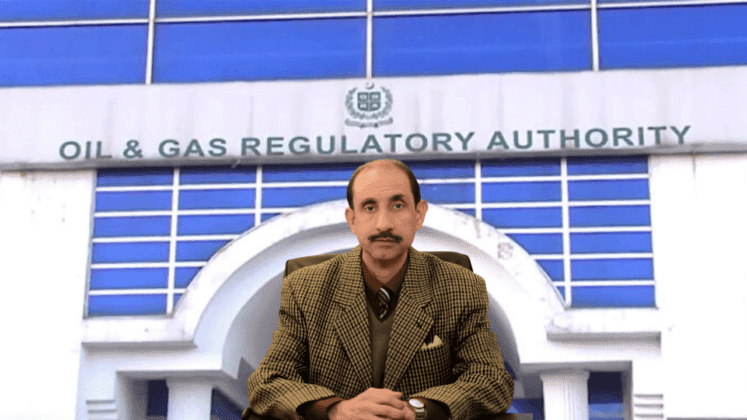
ISLAMABAD: The government has designated Shahzad Iqbal, Member (Gas), as Vice-Chairman of the Oil and Gas Regulatory Authority (OGRA) with effect from February 23, 2026, in a move seen as significant for the country’s energy regulatory landscape. The appointment was notified by the Cabinet Division under Section 3(13) of the Oil and Gas Regulatory Authority Ordinance, 2002 (No. XVII of 2002). The notification will be published in the next issue of the Gazette of Pakistan. Shahzad Iqbal, who has been serving as Member (Gas) at OGRA, will now assume the additional responsibility of Vice-Chairman at a time when the authority is dealing with key regulatory matters, including gas pricing, supply management and oversight of transmission and distribution companies. As Member (Gas), he has been involved in regulatory oversight of the natural gas sector, including tariff determinations, compliance monitoring and coordination with stakeholders in the upstream and downstream segments. His elevation to Vice-Chairman places him in a key position within the authority’s decision-making structure. The notification further states that, upon the appointment of the Chairman of OGRA, he will cease to hold the office of Vice-Chairman in line with statutory provisions governing the authority’s composition. Copies of the notification have been forwarded to the Prime Minister’s Office, the Establishment Division and the Petroleum Division, among other relevant offices. OGRA, the country’s oil and gas regulator, determines consumer gas tariffs, regulates LNG operations, oversees oil marketing companies and monitors compliance across Pakistan’s petroleum supply chain. The designation of a Vice-Chairman from within the authority is expected to ensure continuity in regulatory decision-making.
Mar 4, 2026ISLAMABAD: Local gas curtailment has surged to 350 million cubic feet (MMcf) as pipeline linepack ballooned to 4.9 billion cubic feet on Friday, following a steep cut in RLNG offtake by the power sector to just 122 million cubic feet per day (MMcfd). “The drop in consumption has upset the system balance, forcing authorities to throttle indigenous gas production to manage pressure,” officials at the Petroleum Division told this scribe. The government plans to divert 35 LNG cargoes to the international market in 2026 — 24 under long-term supply arrangements with QatarEnergy and 11 from Eni. No cargo was diverted in January or February 2026. However, diversions will commence in March, beginning with one ENI cargo. Officials said curtailment had already reached 250MMcfd before being raised to350 MMcfd to contain mounting linepack pressure. Exploration and production (E&P) companies have expressed alarm over repeated shutdowns of local gas fields, cautioning that some reservoirs, once closed, may not regain natural pressure.
Mar 3, 2026ISLAMABAD: By transitioning fertilizer production onto a standalone gas supply infrastructure, the government has addressed critical vulnerabilities that have long plagued the production cycle of the critical agricultural input, said Ibrar Khan, Secretary General of the Pakistan Petroleum Exploration and Production Companies Association (PPEPCA). This strategic policy intervention established a dedicated Mari-based gas supply system, marking a decisive shift toward a long-term sustainability in domestic urea production through cabinet’s ratification of the Economic Coordination Committee’s decision is positive step, he said while talking to Business Recorder. Under the approved arrangement, gas resources from Ghazij/Shawal discoveries will be systematically allocated among three major fertilizer plants. Fauji Fertilizer Company (Port Qasim) has been allocated 104 mmcfd of raw gas, Fatima Fertilizer (Sheikhupura) will receive 68 mmcfd of raw gas, meanwhile, Agritech (Daudhkhel) has been allocated 50 mmcfd of raw gas. The respective fertilizer companies shall invest in installing facilities for gas processing and compression, for injection and transportation of gas in Sui companies’ network to their respective plant sites. This substantial capital commitment underscored the industry’s confidence in the government’s long-term vision, he added. While this arrangement involved the deallocation of gas volumes from Sui Company, he said, the transmission companies remain integral beneficiaries of this policy framework. The fertilizer customers will utilize the existing Sui companies’ extensive pipeline network infrastructure for gas transportation, ensuring that SNGPL and SSGC continue to generate substantial revenue streams through Return on Assets (ROA) and capacity charges under the third-party access regime. This arrangement transforms the Sui companies’ role from direct gas suppliers to essential infrastructure service providers, guaranteeing regulated returns on their transmission assets while reducing their supply obligation risks, thereby securing their financial sustainability under this new paradigm. “The successful formulation and implementation of this policy framework merits special recognition for the tireless efforts of the Petroleum Minister, Ali Pervaiz Malik. Under his stewardship, the ministry has demonstrated exceptional strategic acumen in identifying sustainable solutions to Pakistan’s energy-agriculture nexus. His commitment to balancing competing stakeholder interests, from gas producers and transmission companies to fertilizer manufacturers and ultimately, the farming community, has been instrumental in forging this consensus,” the secretary general said. The minister’s forward-looking approach extends beyond immediate supply considerations. By championing bilateral Gas Sale and Purchase Agreements (GSAs) with Mari Energies and ensuring robust third-party access arrangements with Sui Northern Gas Pipelines Limited (SNGPL) and Sui Southern Gas Company (SSGC) under the TPA Rules 2018 and Pakistan Gas Network Code, he has established a transparent, rules-based framework that will serve as a template for future energy sector interventions, he said. Copyright Business Recorder, 2026
Mar 3, 2026