
News & Events / Latest News
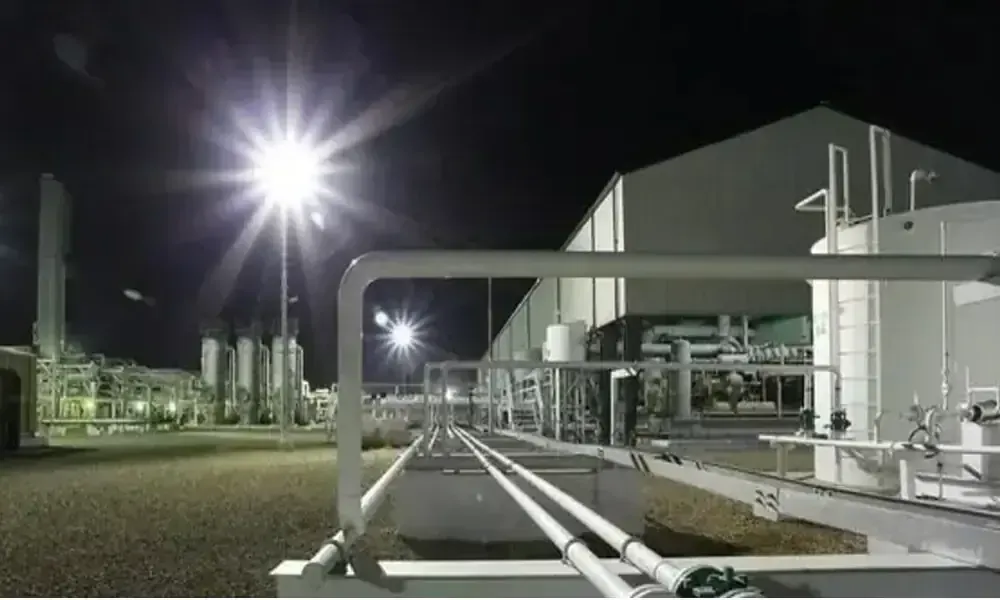
ISLAMABAD: Pakistan Petroleum Exploration & Production Companies Association (PPEPCA) welcomed the federal government’s decision of downward revision of captive gas levy. While talking to Business Recorder, Secretary General PPEPCA Ibrar Khan said till May the Captive Power Plant levy stood at Rs1,303 per mmBtu, anchored to the peak B3 industrial electricity tariff under a methodology that had ceased to function as a price signal. In practice, it had become a structural penalty on industrial gas consumption — pricing efficient plants out of operation, hollowing out gas demand, and pushing Sui company losses past Rs104 billion in the first half of the fiscal year alone. READ ALSO: Correcting the captive gas levy Following Petroleum Minister’s formal proposal during the IMF’s third review, the methodology has been recalibrated to a weighted average of peak and off-peak B3 rates. The revised levy now stands at approximately Rs522 per mmBtu — a near sixty percent reduction in a single move, with relief expected to hold across cycles in the 30 to 60 percent range. For Pakistan’s gas exploration and production sector, he said that the previous levy was actively lengthening the circular debt cycle. Industrial demand was being driven off the gas network, indigenous production was losing its paying off-taker, RLNG was being diverted to subsidised consumption, and Sui losses were aging into receivables on E&P balance sheets. He said, “For more than two years, captive consumers — particularly in textiles, the country’s largest export sector — had been operating at gas prices that priced them out of regional markets”. Indian, Bangladeshi, and Chinese competitors were accessing gas at $6–9 per mmBtu, while Pakistani exporters faced effective costs well above that. Captive offtake fell sharply, RLNG surpluses grew, and an $18 billion textile export base came under sustained pressure, he added. On behalf of PEPPCA, Pakistan’s gas exploration and production companies, he said, “we extend our genuine and considered appreciation to the Honourable Federal Minister for Petroleum, Ali Pervaiz Malik. His advocacy was patient where it needed to be patient, decisive where decisiveness was required, and unfailingly grounded in evidence. Reform of this scale is never a solo achievement, and the professional teams at the Petroleum Division, the Finance Division, and the regulators deserve recognition for the technical groundwork that supported the case”.
May 11, 2026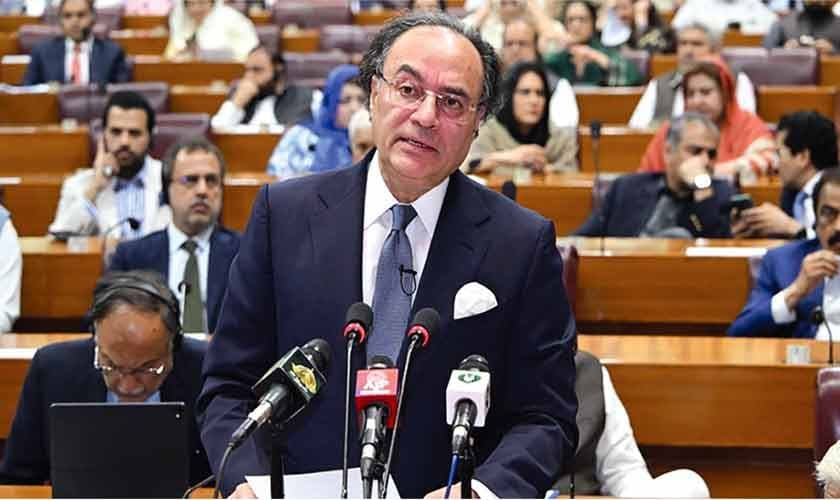
The ongoing conflict in the Persian Gulf has reestablished the importance of the oil and gas sector in the global economy. While fossil fuel investments were once dismissed as 'sunk costs', the transition towards a multipolar world and the emergence of distinct economic blocs have renewed the need for a balanced energy mix and sustained investment in the sector. Pakistan, positioned at a strategic geopolitical crossroads, has asserted itself diplomatically. However, to complement this with economic strength, the country needs forward-looking budgetary planning that addresses structural challenges within its oil and gas sector. The upcoming budget offers a crucial opportunity to lay the foundations for economic prosperity. To achieve this, the government must tackle key fiscal hurdles currently affecting both downstream and upstream segments of the oil and gas sector. Similar concerns have also been highlighted by the Overseas Investors Chamber of Commerce and Industry, which has repeatedly emphasised the importance of tax rationalisation and a stable policy environment to encourage long-term investment in Pakistan’s key sectors. Pakistan’s effective corporate tax rate, including a 10 per cent super tax, stands at around 39 per cent, significantly higher than regional averages of 17-25 per cent. This discourages foreign investment and limits domestic growth. The government should abolish the super tax and introduce a clear plan to reduce the corporate tax rate to a competitive 25 per cent, improving investor confidence and economic activity. The oil and gas sector operates on low, regulated margins, making turnover-based taxation inequitable. Price volatility causes turnover fluctuations that do not reflect actual profitability. It is recommended that the Minimum Tax be reduced to 0.25 per cent, with a long-term goal of elimination. Companies should also be allowed to carry forward minimum tax credits for at least five years to ease financial pressure. The Finance Act 2024 introduced sales tax exemptions on major petroleum products. While seemingly beneficial, this change rendered input tax on related supplies and services 'inadmissible', significantly increasing operational costs for the downstream sector. It has also added approximately $750 million to upgrade project costs under the Brownfield Refining Policy, threatening the viability of those projects. To address this, petroleum products should be brought back into the taxable regime at a uniform rate. Additionally, the processes for input tax adjustments between the Federal Board of Revenue and provincial authorities must be harmonised to enable seamless cross-adjustments. The Finance Act 2025 imposed a drastic petroleum levy of over Rs82,000 per ton on furnace oil. This has drastically reduced local demand, forcing refineries to export at a loss and undermining financial stability. The continued losses hinder refinery modernisation efforts. Abolishing this levy is essential to ensure that Furnace Oil remains a viable back-up energy resource during times of scarcity. The brunt of Pakistan’s tax burden is borne by a narrow segment: the corporate sector and the salaried class. Increasing taxes on these groups is counterproductive. The government must focus on broadening the tax base rather than repeatedly squeezing already-taxed segments Several recent legislative changes have increased the burden on energy companies. The withdrawal of tax exemptions on government subsidies incorrectly treats policy instruments as business profits. Reinstituting these exemptions is necessary. Similarly, the petroleum supply chain is affected by multiple withholding taxes. A simplified withholding regime would improve efficiency in this high-volume environment. Entities having statutory exemptions should not be forced to repeatedly apply for exemption certificates. The requirement should be abolished or automated through the IRIS system to ensure issuance within 15 days, reducing administrative delays. The professional workforce remains central to the energy sector’s stability. High taxation on salaried individuals, including a 9.0 per cent surcharge, is driving talent away and making it difficult for regulated companies to maintain sustainable compensation structures. Reducing income tax rates for individuals, removing the surcharge and restoring reasonable tax credits are vital for talent retention. Currently, the brunt of Pakistan’s tax burden is borne by a narrow segment: the corporate sector and the salaried class. Increasing taxes on these groups is counterproductive. The government must focus on broadening the tax base rather than repeatedly squeezing already-taxed segments. By implementing these budgetary reforms, Pakistan can turn wartime economic challenges into opportunities for energy security and industrial growth.
May 6, 2026
ISLAMABAD: The oil industry has asked the State Bank of Pakistan to extend for two months or “until market conditions stabilise” the permission for the import of petroleum products on cost, insurance and freight (CIF) basis — an arrangement under which buyers assume the responsibility of import costs and final delivery following the arrival of commodities at the destination port. The request was made by the Oil Companies Advisory Council (OCAC) — an association of more than three dozen oil companies and refineries — to SBP Governor Jameel Ahmad in a letter on Monday, with around two weeks left for the 60-day relaxation to end. It was allowed keeping in view the petroleum import challenges under the prevailing geopolitical conditions, following the OCAC’s call highlighting the difficulty in obtaining adequate marine and war-risk insurance cover. Marine insurers have either withdrawn or sharply increased war-risk coverage for ships operating in the Persian Gulf and the Strait of Hormuz due to the US-Israel war on Iran. The letter to SBP, seen by Dawn, referred to OCAC’s previous appeal made in view of the “extraordinary geopolitical situation in the Middle East”. It said the subsequent permission by the SBP for CIF-based imports for 60 days had been instrumental in enabling refineries and oil marketing companies (OMCs) to secure cargoes under highly challenging market conditions. However, it said, “the situation in the region remains volatile with no meaningful de-escalation or restoration of normal shipping and insurance conditions. The constraints highlighted earlier — particularly the limited availability and exorbitant cost of marine and war-risk insurance, coupled with continued reluctance of shipowners and suppliers — still persist. Freight rates and war-risk premiums continue to remain elevated, and the operational challenges in executing imports under cost and freight arrangements have not eased.” The letter stated that the validity of SBP’s circular allowing CIF-based imports of petroleum products was set to expire on May 10. Meanwhile, it said, “the oil industry anticipates considerable challenges in sustaining uninterrupted supply chains if the current relaxation is continued at this stage”. “In view of the ongoing certainty and to ensure continuity of fuel supplies critical for national energy security — especially in light of upcoming seasonal demand — it is earnestly requested that the temporary permission for CIF imports of petroleum products (crude oil, refined petroleum products, base oil and allied materials) may kindly be extended for a further period of two months, or until market conditions stabilise,” the letter said. Follow Dawn Business on X, LinkedIn, Instagram and Facebook for insights on business, finance and tech from Pakistan and across the world.
Apr 28, 2026
ISLAMABAD: The Oil and Gas Development Company Limited (OGDCL) has made Pakistan’s largest-ever oil and gas discovery from a single well at its Baragzai X-01 (Slant) exploratory well in the Nashpa Block, located in the Kohat district of Khyber Pakhtunkhwa. Baragzai X-01 is now the highest-producing well in OGDCL’s portfolio as well as in Pakistan’s history and contributes approximately 10 percent of Pakistan’s total crude oil production. The company successfully brought the well into production following the testing and completion phase. After Wednesday’s injection of 5,300 barrels of oil per day (BPD), 17 million standard cubic feet per day (MMSCFD) of gas, and 15 metric tons per day (MTD) of LPG, the cumulative production from the well has reached 15,000 barrels of oil per day and 45 million standard cubic feet per day of gas. The oil and gas production from the well is projected to reach 25,000 barrels of oil per day and 60 million standard cubic feet per day of gas in the near future. The oil and gas discovery was achieved from five different formations at the Baragzai X-01 (Slant) exploratory well. The project has been developed in one of the most challenging terrains in the country, where the OGDCL deployed advanced and latest technologies to ensure efficient and safe operations. In a significant operational achievement, an 8-kilometre pipeline was laid in record time, alongside critical modifications for gas processing and crude oil storage, and integration with Mela and Nashpa facilities. The project is expected to generate substantial economic benefits. The estimated daily revenue stands at Rs156 million, with monthly revenues projected at Rs4.7 billion and annual revenues at Rs57 billion. The development will also result in an annual foreign exchange substitution of approximately USD 329 million by reducing reliance on imported fuels. Federal Minister for Petroleum Ali Pervaiz Malik formally inaugurated the commencement of commercial production in a ceremony held at OGDC Headquarters in Islamabad. Federal Secretary Petroleum Division Hamid Yaqoob Sheikh, MD/CEO, OGDCL, Ahmed Hayat Lak, and senior officials of the company and other E&P and services companies were also present. Speaking on the occasion, Federal Minister for Petroleum Ali Pervaiz Malik congratulated OGDCL, its joint venture partners, and service providers on the achievement. He termed the discovery monumental and a significant contribution to the country’s energy security. He appreciated the efforts of Local E&P companies that have stepped up during these challenging times. He emphasised the need to further strengthen indigenous energy development and encouraged enhanced collaboration and knowledge sharing across the exploration and production sector. A commemorative shield was presented to the Federal Minister in recognition of his support for the energy sector. MD/CEO of OGDC, Ahmed Hayat Lak, appreciated the team and the unsung heroes for achieving this historic milestone. He lauded the team for delivering this success while working in one of the most challenging terrains of the country. He reaffirmed the company’s commitment to accelerating exploration activities and announced plans for further development to enhance production capacity.
Apr 16, 2026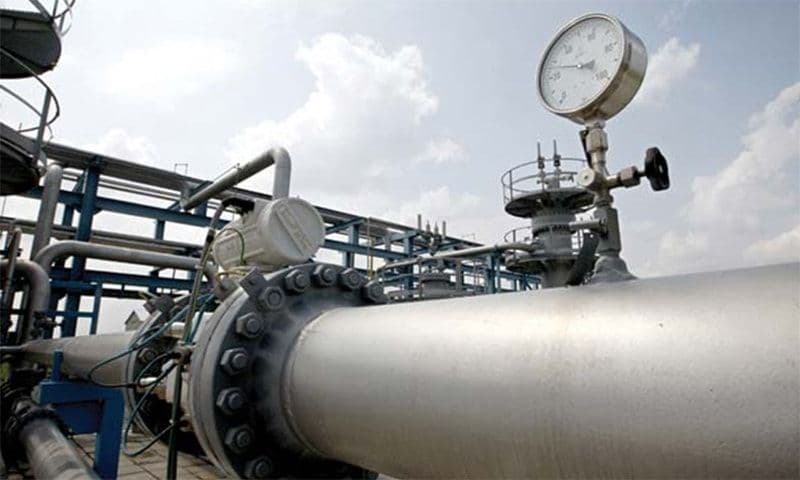
Domestic natural gas supply to the power sector is expected to increase to around 160–170 million cubic feet per day (mmcfd) by end-April or early May, up from 85–90mmcfd currently, as the government moves to offset shortages of imported LNG and rising summer demand, Dawn reported, citing officials. They said efforts were underway to divert additional gas, including 20–25mmcfd from the CNG sector, while maintaining supplies to fertiliser plants due to concerns over urea availability and price disparities between local and imported products. The move follows warnings from the power ministry that without increased gas supply, electricity tariffs could rise significantly or lead to higher levels of loadshedding. The ministry proposed diverting gas from residential users, CNG or fertiliser sectors, though concerns were raised over potential political backlash affecting more than seven million domestic consumers. Authorities indicated that gas supply to fertiliser plants may not remain uninterrupted, with operations likely to shift to alternate scheduling to balance demand across seasons. The power division noted that the fuel cost adjustment (FCA) stood at Rs1.42 per unit for February and could have reached Rs2 without reliance on furnace oil and RLNG. It warned that FCA for May could more than double if furnace oil use increases, as its prices have more than doubled since February. The issue has been taken up by the National Coordination and Management Council to manage electricity supply and ensure availability for key economic sectors. In the absence of RLNG, around 5,000MW of efficient power plants in Punjab may become uneconomical, with generation costs rising significantly when switching to high-speed diesel or furnace oil, where the cost gap ranges from Rs20–54 per unit. Additional gas supply has become available following the completion of a pipeline linking the Bettani gas field in Lakki Marwat to Punjab, along with other system improvements. Loadshedding has already been implemented for at least two hours in recent days and is expected to increase, particularly during night hours when solar generation declines and grid demand rises. Authorities have also introduced conservation measures, including early market closures, to manage demand. Hydropower output remains uncertain despite improved water availability, with delays in Tarbela tunnels and the continued outage of the 969MW Neelum-Jhelum plant affecting supply. Ad powered by advergic.com Furnace oil remains a fallback fuel, with current stocks exceeding 500,000 tonnes, sufficient for over 35 days, though at significantly higher costs. Peak summer demand is projected to rise to 27,000–28,000MW, compared to current peak levels below 14,000MW, partly due to increased reliance on solar power. Officials expect average daily loadshedding to remain between two to three hours alongside ongoing demand management measures.
Apr 13, 2026ISLAMABAD: In the middle of oil supply challenges and pricing controversies, the government on Wednesday removed acting chairman of the Oil & Gas Regulatory Authority (Ogra) and appointed an officer of the Pakistan Administrative Service (PAS), formerly District Management Group (DMG), on an interim basis. In a notification issued by the Cabinet Division, Nabeel Ahmed Awan, a BS-22 officer of PAS, presently posted as secretary, Establishment Division, has been given the additional charge of Ogra chairman with immediate effect and for a period of three months or till the appointment of a regular Ogra chairperson. The incumbent, Shahzad Iqbal, who had also been serving as the regulator’s top official on a look-after basis, will continue in his position as Member Gas. He had earlier come under criticism during a meeting of the finance minister–led Cabinet Committee on Oil Products Monitoring for poor progress on the automation and integration of the supply chain and petroleum pricing. Participants noted that he was unable to adequately explain the situation and failed to defend the regulator’s position. The government has been running the all-important regulator on an ad hoc basis for more than a year. After the completion of his term, it extended the tenure of former chairman Masroor Khan without legal cover, instead of initiating the process to appoint a regular chairman. Earlier this year, it again refrained from appointing a permanent chairman and instead assigned the charge to Iqbal. Last week, the Ogra and Pakistan State Oil (PSO) had come under fire at a meeting of the special cabinet committee on petroleum for insufficient and lethargic online integration and automation of stock and supply position of oil products for improved visibility and monitoring. Therefore, the government decided to activate law enforcement and investigation agencies for improved monitoring of retail petroleum outlets and to check hoarding. Members of the committee had also raised questions over certain loopholes in the petroleum pricing, particularly in the diesel rate build-up. Dawn had reported that Dr Musadik Malik, who previously held the positions of energy and petroleum minister, suspected that the oil industry had apparently been allowed to windfall and proactive corrective measures were not taken as prices went through the roof. Both Malik and Finance Minister Muhammad Aurangzeb expressed displeasure that even PSO had not been able to integrate its retail outlets and depots, despite being a public sector company. Ogra was also criticised for moving too slowly on data integration, despite the process having been officially ordered more than three weeks ago. In such a situation, market manipulators appeared to have taken advantage and resorted to aggressive hoarding amid continuously rising prices both domestically and internationally. It was reported that PSO’s retail integration was close to 60pc, but the situation was even worse among private sector players in the supply chain. This was reinforced in an official statement issued by the Ministry of Finance after the meeting. “To reinforce implementation, it was decided that joint teams comprising representatives of the Petroleum Division, Ogra, FIA, and PSO will be deployed to selected PSO petrol pumps in Islamabad to support timely data entry, improve stock transparency, and ensure operational compliance,” it said. The prime minister was updated on the situation, who approved the reshuffle, official sources said. Earlier, a meeting had been called after the recent price adjustments to review the petroleum supply situation and market conditions. The meeting took a comprehensive review of petroleum stock positions, import plans, and refinery operations. The panel was informed that the overall supply position remained stable, with diesel stocks providing approximately 25 days of cover, petrol availability sufficient to meet current demand, and crude oil stocks at around 12 days of cover, supported by incoming cargoes and scheduled imports. Follow Dawn Business on X, LinkedIn, Instagram and Facebook for insights on business, finance and tech from Pakistan and across the world.
Apr 13, 2026
KARACHI: Oil and gas production in Pakistan posted a marginal increase in the third quarter of fiscal year 2025-26, supported by reduced curtailments at key fields and stronger offtake from the power sector. Oil output rose 0.9 per cent year-on-year (YoY), while gas production increased 0.6 per cent YoY during 3QFY26.Among major oil-producing assets, the TAL block led growth with a 15.7 per cent YoY increase, followed by the KPD block (14.5 per cent YoY) and Nashpa (2.6 per cent YoY). Dhok Sultan recorded a sharp 42 per cent YoY rise, though output from the Bettani and Sono fields fell significantly by 63.9 per cent and 53.2 per cent YoY, respectively. On the gas side, production gains were recorded at several key fields, including Mari (up 7.2 per cent YoY), Uch (3.7 per cent YoY), Kandhkot (8.6 per cent YoY), Nashpa (13 per cent YoY) and the TAL block (10.3 per cent YoY). However, output from Sui and Qadirpur declined by 6.5 per cent and 9.5 per cent YoY, respectively. Analysts attributed the overall increase in hydrocarbon output to lower curtailments and improved demand from the power sector.So far in calendar year 2026, listed exploration and production (E&P) companies have reported 11 discoveries. Among these, Baragzai stands out as the most significant, with an estimated incremental contribution of around 13,534 barrels of oil per day (bopd) and 147 million cubic feet per day (mmcfd) of gas. Oil and Gas Development Company (OGDC) led in discoveries, followed by Pakistan Petroleum Limited (PPL) and Mari Energies Limited.Cumulatively, oil production stood at 63,982 bopd and gas output at 2,958 mmcfd, with new discoveries contributing approximately 21 per cent to oil production and 4 per cent to gas output. According to Arif Habib Limited, OGDC is expected to post earnings of Rs42.12 billion (EPS: Rs9.79) in 3QFY26, down 11 per cent YoY. Net sales are projected to rise 17 per cent YoY, driven by modest increases in oil (up 1 per cent YoY) and gas (up 3.0 per cent YoY) production. The decline in profitability is primarily attributed to a 21 per cent YoY fall in other income, reflecting lower finance income amid a declining interest rate environment. This impact is partially offset by the unwinding of term finance certificate losses. PPL is likely to report a net profit of Rs23.09 billion (EPS: Rs8.49) in 3QFY26, up 3 per cent YoY, supported by higher production, with oil output rising 7 per cent YoY. Net sales are expected to grow 4 per cent YoY, while other income may decline sharply by 55 per cent YoY to Rs2.5 billion due to lower interest rates. Mari Energies Limited is projected to post earnings of Rs13.66 billion (EPS: Rs11.37), marking a 14 per cent YoY decline. The drop is mainly attributed to a higher effective tax rate and increased operating expenses. Production from the Mari field rose 7.2 per cent YoY, while output from Shewa increased significantly to 56 mmcfd. Pakistan Oilfields Limited is expected to report a profit of Rs6.28 billion (EPS: Rs22.11), down 5.0 per cent YoY, primarily due to a higher tax rate. Gas production is projected to increase 16 per cent YoY, while oil output declined 9.0 per cent YoY. Net sales are expected to grow 7.0 per cent YoY, supported by higher gas production.
Apr 8, 2026
ISLAMABAD: Pakistan’s energy sector is facing a fragile transition, marked by declining domestic production, rising import dependence, and uneven supply growth, according to the Pakistan Energy Yearbook 2024–25 released by the Petroleum Division and Hydrocarbon Development Institute of Pakistan. Indigenous energy production fell from 53 MTOE to 50 MTOE, while imports increased from 33 MTOE to 34 MTOE, highlighting growing reliance on external sources. Total primary energy supply rose only slightly by 1.58% to 82 MTOE, mainly due to imports of LPG, oil, coal, and electricity. LPG (+28.56%), imported electricity (+20.11%), oil (+14.51%), coal (+6.32%), and hydropower (+1.21%) increased, while natural gas, LNG (–4.1%), nuclear, and renewables declined, signalling tightening domestic availability. Final energy consumption grew 8.32%, led by commercial (+23.38%), industrial (+16.78%), transport (+9.44%), and government (+14.79%) sectors, reflecting economic recovery, though agricultural use fell 30.97% and domestic use declined slightly, raising rural access concerns. Crude oil production dropped 11.44% and gas output declined 7.52% due to ageing fields and limited drilling—only 28 exploratory and 30 development wells were completed. Despite 21 new gas and gas-condensate fields and a 26% increase in gas reserves to 23.31 TCF, production did not rise, highlighting extraction limitations. Proven oil reserves declined 1.39% to 240 million barrels. To offset shortages, petroleum imports rose—refined products +16.61%, crude oil +19.44%—supporting refinery activity. Gas imports of 8.74 MTOE filled gaps, yet overall gas consumption fell 5.77%, with industrial consumption rising 62.5% while other sectors declined, indicating prioritisation of high-value use. Coal imports surged 27.86%, compensating for a 2.66% drop in domestic output, with over half used for power generation. Power sector progress remained gradual: installed capacity increased slightly to 45,380 MW with 884 MW of new hydropower, but renewables stagnated. Electricity generation rose 3.04% to 140,420 GWh, mainly from thermal sources, with imports up 20.1%. Consumption increased in domestic (+4.6%), commercial (+5.7%), and industrial (+4.9%) sectors, while agriculture fell 31.4%, highlighting uneven distribution. Overall, Pakistan’s energy system faces rising demand amid declining domestic supply, increasing reliance on imports, stagnating renewables, and a widening gap between growing gas reserves and extraction capacity, posing risks to long-term sustainability.
Apr 8, 2026